Nassau vs. Suffolk County: Which Is Better for Homebuyers?
If you’re planning to buy a home on Long Island, one of the biggest decisions you’ll face is choosing between Nassau County and Suffolk County. While both offer beautiful neighborhoods, strong communities, and access to New York City, each county has its own lifestyle, price range, and advantages depending on your goals as a homebuyer.
Whether you’re a first-time buyer, growing family, commuter, or someone looking for more space, understanding the differences between Nassau and Suffolk can help you make the right move.
Location & Commute
One of the main reasons buyers choose Nassau County is convenience. Located closer to New York City, Nassau typically offers shorter commute times into Manhattan and easier access to major transportation routes.
Suffolk County, on the other hand, stretches farther east and offers a more suburban and relaxed environment. While commuting may take longer, many buyers feel the tradeoff is worth it for the larger properties, quieter neighborhoods, and lower density living.
For professionals working in NYC several days a week, Nassau may feel more practical. For buyers prioritizing space and lifestyle, Suffolk often becomes the preferred choice.
Home Prices & Affordability
In general, Nassau County homes tend to be more expensive than Suffolk County homes. Nassau’s proximity to the city, established neighborhoods, and strong school districts contribute to higher property values.
Suffolk County typically offers:
- More affordable entry points
- Larger lot sizes
- More square footage for the price
- Better opportunities for first-time buyers
This makes Suffolk attractive for buyers looking to maximize value while still enjoying the Long Island lifestyle.
Lifestyle & Community Feel
Nassau County offers a faster-paced suburban lifestyle with vibrant downtowns, shopping districts, restaurants, and convenient amenities. Areas throughout Nassau are known for walkability and easy access to entertainment.
Suffolk County delivers a more laid-back atmosphere with:
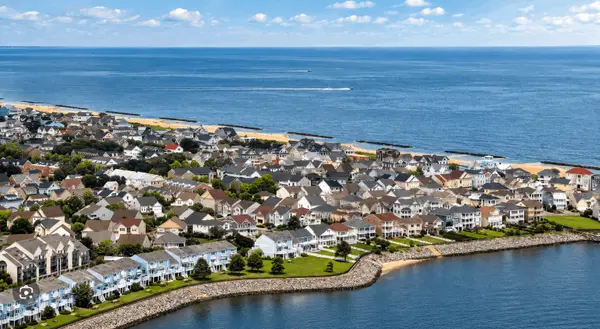
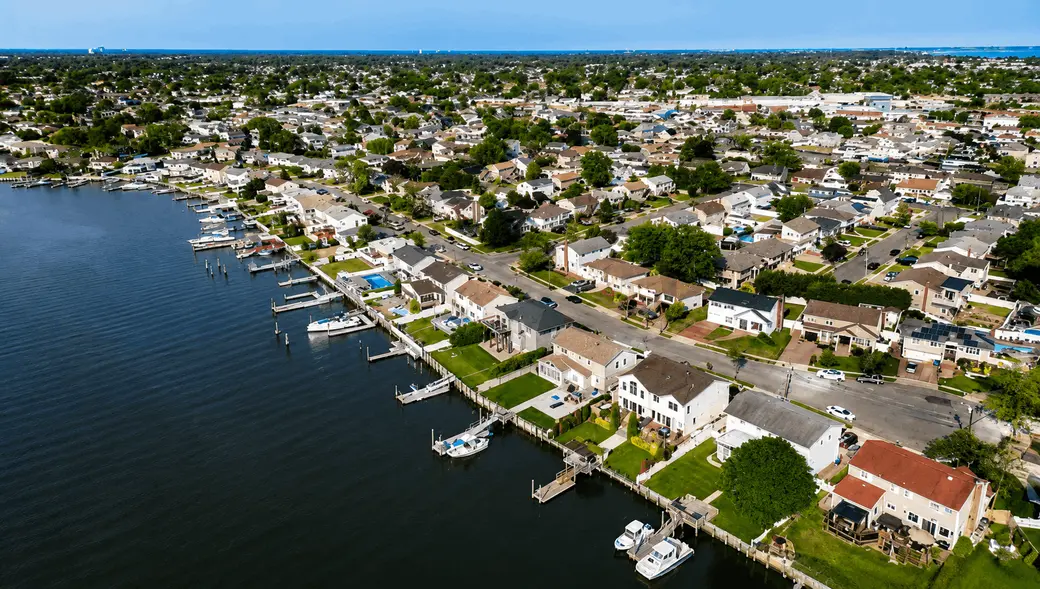
- Beaches and waterfront communities
- Parks and outdoor recreation
- Vineyards and scenic towns
- More privacy and open space
Many families looking for a quieter environment are drawn to Suffolk’s slower pace and natural beauty.
School Districts
Both Nassau and Suffolk Counties are home to highly rated school districts, which is a major reason many buyers move to Long Island in the first place.
Nassau is often recognized for its competitive and nationally ranked districts, while Suffolk also offers excellent educational opportunities across many communities. Buyers should always research individual districts based on their priorities, since school quality can vary town by town.
Housing Styles
Long Island features a wide variety of home styles across both counties. Buyers will commonly find:
- Colonials
- Ranches
- Split-level homes
- Cape Cods
- Contemporary homes
Suffolk generally has more room for larger properties and newer developments, while Nassau often features established neighborhoods with classic Long Island charm.
Which County Is Right for You?
Choosing between Nassau and Suffolk ultimately comes down to your lifestyle, budget, and long-term goals.
Nassau County may be the better fit if you:
- Want a shorter NYC commute
- Prefer established suburban neighborhoods
- Value convenience and accessibility
- Are comfortable with a higher budget
Suffolk County may be ideal if you:
- Want more home for your money
- Prefer larger lots and quieter communities
- Enjoy outdoor living and waterfront areas
- Are looking for a slower-paced lifestyle
Final Thoughts
There’s no one-size-fits-all answer when it comes to Nassau vs. Suffolk County. Both offer incredible opportunities for homebuyers and continue to be highly desirable places to live on Long Island.
The key is understanding what matters most to you, commute time, budget, lifestyle, schools, or space, and finding the community that aligns with your goals.
If you’re considering buying a home on Long Island and want guidance on choosing the right neighborhood or county, working with a local real estate expert can help make the process smoother and more informed.
Categories
Recent Posts