The Long Island Home Price Isn’t the Whole Story: What Buyers Often Miss
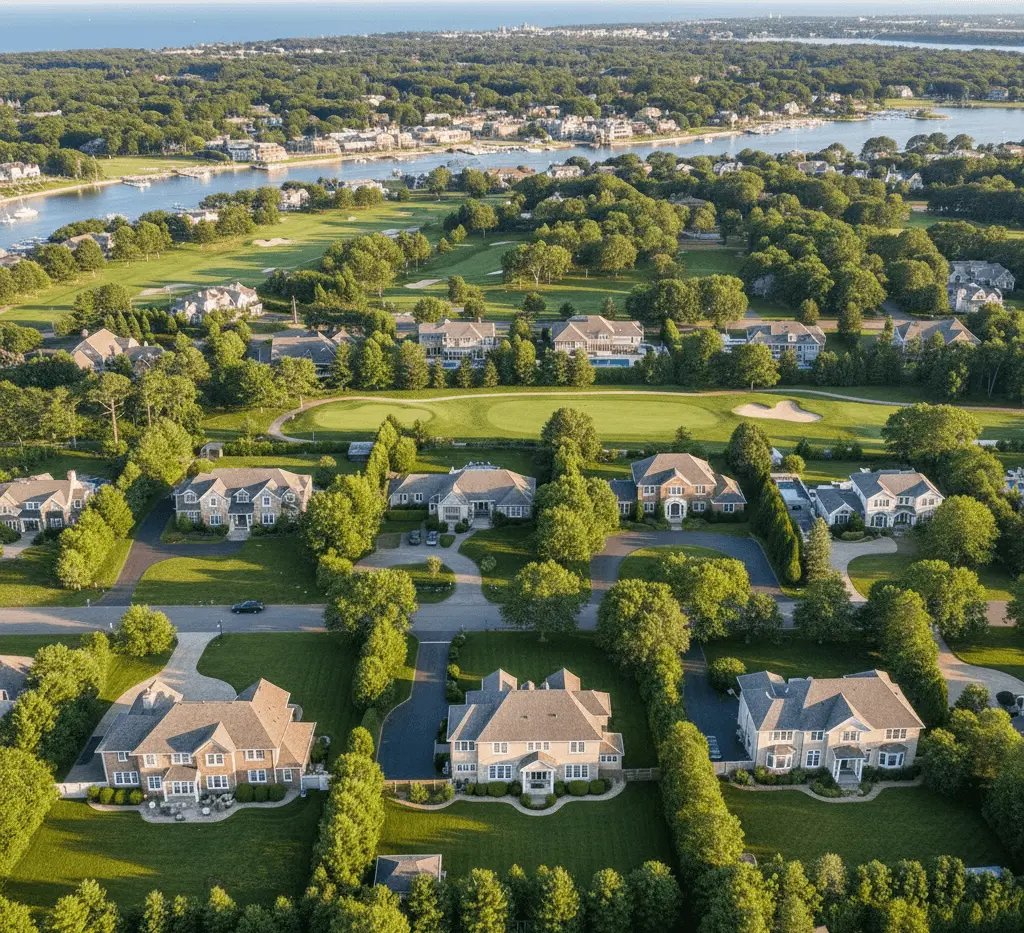
When buyers search for a home on Long Island, the first number they usually notice is the asking price.
$699,000.
$849,000.
$1.1 million.
But in a market as diverse as Long Island, the listing price is only one piece of the financial picture.
Two homes with similar purchase prices can have dramatically different monthly costs, resale considerations, neighborhood dynamics, and long-term value.
That is why one of the most important questions a buyer can ask isn't simply:
“What does this house cost?”
It is:
“What will owning this house actually cost me and what am I getting for that cost?”
The Long Island Price Tag Has Layers
Long Island buyers are dealing with a housing market where prices remain substantial. As of August 2026, Realtor.com reported median listing prices of approximately $956,500 in Nassau County and $900,000 in Suffolk County.
But the purchase price doesn't tell the entire story.
Depending on the property, buyers may also need to consider:
- Property taxes
- Homeowners insurance
- Flood or other location-specific insurance considerations
- Maintenance and repair costs
- Utility expenses
- Renovation requirements
- Commuting costs
- Potential future resale appeal
- Neighborhood-specific demand
A home that looks less expensive online may not necessarily be the lower-cost choice once all of these factors are considered.
Why Location Matters More Than a Zip Code
“Long Island” isn't one single real estate market.
A buyer comparing a property in Westbury with one in Smithtown, Huntington, Long Beach, or another Long Island community isn't simply comparing four houses.
They're comparing different combinations of:
Price + taxes + location + lifestyle + commute + property characteristics + future marketability.
For example, Realtor.com’s August 2026 data shows considerable variation even within Nassau County. Median listing prices included approximately $778,722 in Levittown, $895,250 in Westbury, $992,000 in Merrick, and $1.788 million in Syosset.
Suffolk County shows a similar range. The August 2026 median listing price was approximately $558,400 in Coram, $870,500 in Smithtown, and $950,000 in Huntington, while certain Hamptons-area communities were significantly higher.
That variation is precisely why buyers should avoid judging a property strictly by its asking price.
The “Cheap” House May Not Be the Cheapest House
Imagine two homes are both listed around $800,000.
House A has:
- Lower taxes
- Minimal immediate repairs
- A recently updated roof
- Efficient mechanical systems
- A location that works well for the buyer's commute
House B has:
- Higher annual taxes
- An aging roof
- Older mechanical systems
- Several renovation projects
- Higher ongoing ownership expenses
On paper, they're both $800,000 homes.
In reality, the cost of owning them could be very different.
This is where a buyer's analysis needs to move beyond the listing page.
What Sellers Should Understand Too
The same concept works from the seller's side.
A seller may look at nearby properties and think:
“That house sold for $900,000, so mine should be worth $900,000 too.”
But comparable properties aren't identical.
Buyers may place different value on:
- Updated kitchens
- Finished basements
- Lot size
- Garage space
- Outdoor living areas
- School district considerations
- Condition
- Taxes
- Location
- Layout
- Recent renovations
Pricing a Long Island home isn't simply about finding the highest number attached to a nearby property.
It's about understanding what buyers are actually comparing.
Inventory Is Changing the Conversation
The market also isn't completely static.
In August 2026, Nassau County had approximately 4,626 active listings, up 2.63% year over year, while Suffolk County had approximately 6,763 active listings.
At the same time, national housing data has shown buyers gaining more inventory while affordability and mortgage-rate pressures continue influencing demand.
For Long Island buyers and sellers, that means strategy matters.
A buyer shouldn't automatically assume every property requires an aggressive offer.
A seller shouldn't automatically assume every property will generate multiple offers simply because another home nearby did.
The individual property still matters.
The Better Question: What Creates Value?
The most useful way to evaluate a Long Island property is to ask:
What am I actually paying for?
Is the premium coming from location?
Condition?
Lot size?
School district?
Proximity to transportation?
Water access?
Renovations?
Neighborhood demand?
Or simply the seller's asking price?
That distinction can change the entire conversation.
A Long Island Home Is More Than a Number
Real estate decisions become much clearer when buyers and sellers stop looking at a property as a single price and start looking at the complete ownership and market picture.
For buyers, that means understanding the true cost of ownership.
For sellers, it means understanding the true competitive position of the property.
And for both, it means looking beyond the headline number.
Because on Long Island, the right question isn't always:
“Is this house expensive?”
Sometimes the better question is:
“Does the value make sense for what this property offers?”
Thinking About Buying or Selling on Long Island?
Every property and neighborhood has its own story. If you're considering buying, selling, or simply trying to understand what your Long Island property may be worth in today's market, a local market analysis can help put the numbers into context.
Looking for guidance on your next Long Island real estate move? Let's connect.
Categories
Recent Posts